
Single Implant vs. Bridge: The Best Choice for Missing Teeth
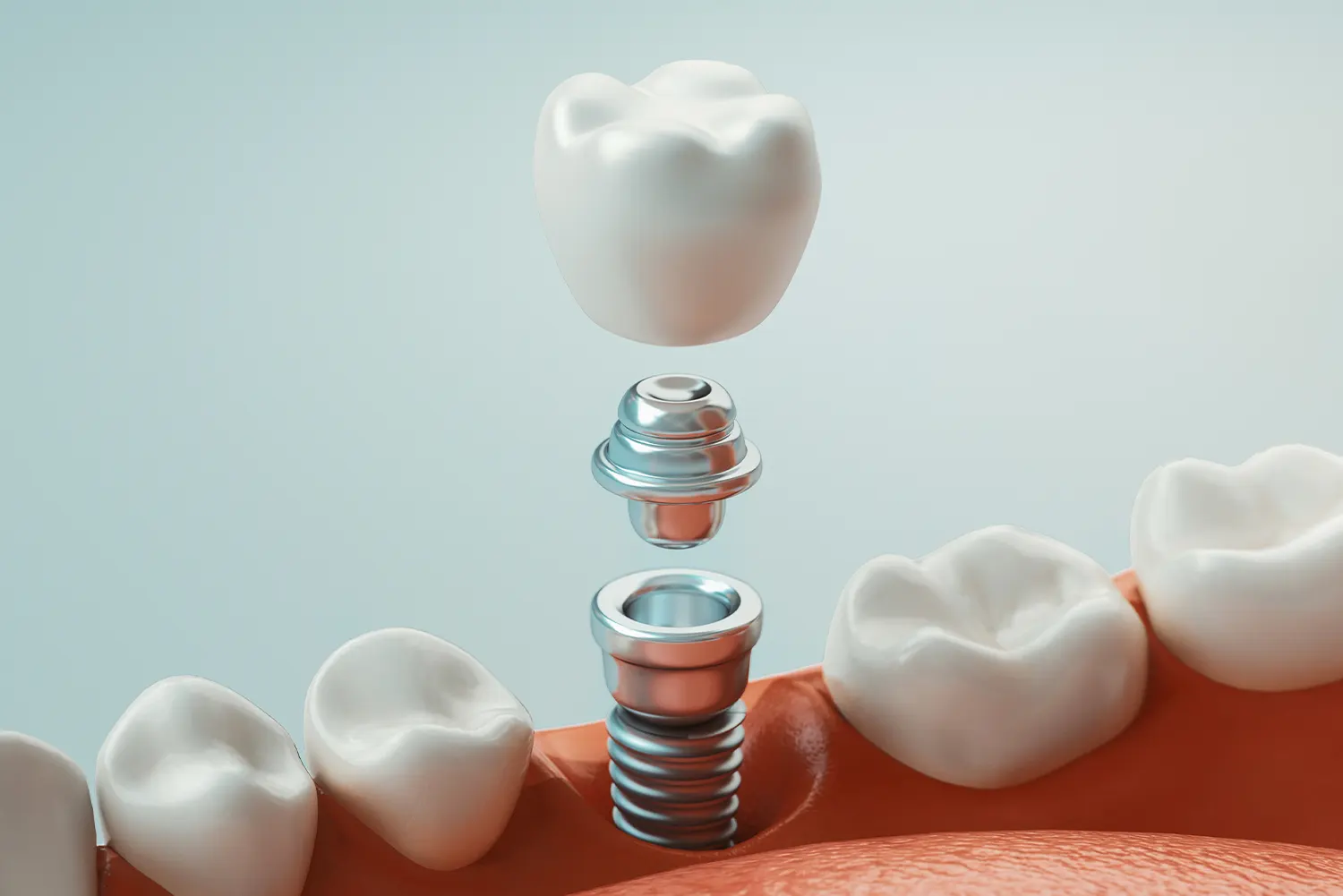
Losing a tooth changes more than your smile. It can change how you eat, how you speak, and how confident you feel when you laugh or smile in front of other people. If you're facing a missing tooth, you've probably heard that there are two main ways to replace it: a single dental implant or a dental bridge. And you may be wondering which one is truly the better choice.
The honest answer is that it depends on you. Your bone, your neighboring teeth, your overall health, and your goals all play a part. At iSmile Dentistry, our doctors take the time to look at the full picture before recommending anything, and we use modern tools like AI-assisted X-rays to help us see what's going on beneath the surface and show you, too.
In this post, we'll walk you through how implants and bridges differ, what the process looks like, how the costs compare over time, and when one option may fit better than the other. Whether you visit one of our Arizona or Utah locations, our goal is the same: to help you make a confident, informed decision.
How a Single Implant and a Bridge Differ
The biggest difference between these two options comes down to what they involve. A dental implant replaces a single missing space, and it does so on its own. It's placed in the bone and doesn't rely on the teeth around it.
A bridge works differently. To place one, you need a healthy tooth on each side of the missing space, because those two neighboring teeth hold the bridge in place. The result is a three-unit restoration that depends on the health of the teeth on either side of the gap.
This matters more than many patients realize. With an implant, the work stays focused on one space. With a bridge, the long-term success is tied to two other teeth, and whatever happens to them affects the bridge. Keeping that difference in mind makes it much easier to compare the two options fairly.
How AI Helps Us Evaluate Your Bone and Neighboring Teeth
Before we recommend either option, we need to know what's happening beneath the surface. That's where our AI technology comes in.
For implants, we need to make sure there is enough healthy bone to support the implant, because that significantly improves the chance of long-term success. AI clearly shows your bone levels and can even measure them. That gives us a better sense of whether you're a good candidate, and it gives you a clear visual so you can understand what we're talking about.
For bridges, we look closely at the teeth next to the empty space. AI helps us see whether those teeth have any cavities and whether they're in good enough condition to support a bridge.
As always, we want to be clear about how we use this technology. AI is a helpful tool that supports our doctors. It does not replace their judgment. We use it alongside a clinical exam so that your recommendation is based on a full evaluation.
The Case for a Bridge, and What to Keep in Mind
Bridges have helped countless patients restore their smiles, and they can be a great option. If you take really good care of a bridge, it can serve you well. For patients who have two healthy teeth beside the space and who want a different path than an implant, it's a solid choice.
There's just one important thing to consider. Because a bridge depends on the two neighboring teeth, its health is tied to theirs. If either of those teeth develops a cavity or becomes compromised, the entire three-unit bridge is affected. That can shorten the lifespan of the bridge.
That doesn't mean a bridge is the wrong choice. It simply means it's worth thinking about the long-term health of those neighboring teeth when you're deciding. We'll go over this with you so you can weigh it honestly.
Why Implants Tend to Last Longer and Feel More Natural
Implants offer a few advantages that many patients find compelling. Because an implant only involves one space, a problem in that area doesn't spread to the teeth next to it. Your neighboring teeth don't have to carry the load for the replacement, and they stay independent.
Implants also tend to have a longer lifespan, and their success rates are extremely high. When it comes to function, an implant is the closest thing you can get to a natural tooth, with research suggesting that implants can restore roughly 80 to 90 percent of the function you'd feel with natural teeth.
For many of our patients, that difference is life changing. People tell us that they feel like they have their own teeth again. We often don't realize how much our natural teeth do for us until we lose one, and getting that function back can feel like a huge relief.
What to Expect: The Implant Process From Start to Finish
One common question we hear is how long an implant takes. The process happens over a few appointments, usually about three to four visits, and we believe you should know what to expect at every step before we begin.
At the first appointment, we evaluate your bone and make sure you're a good candidate. At the next visit, we place the implant. After that, you'll have time to heal, typically around three to four months. During this period, we ask that you don't chew on the implant, because we want it to fully integrate with the bone. That healing time is what helps make the implant strong and stable for the long term.
Once you're fully healed, you come back and we place a crown on the implant, completing your new tooth.
Our doctors like to talk through each of these appointments with patients and answer every question before we even get started. We want to be sure we're on the same page, so there are no surprises along the way.
Comparing Cost: Upfront Price vs. Long-Term Value
Cost is a big part of any dental decision, so let's talk about it openly. On the surface, a bridge can look like the more affordable option. The upfront price is often lower, and for some patients, that's an important factor.
But it helps to think about the long game. A bridge may need to be replaced at some point in the future, and that replacement adds to the total cost over time. An implant, on the other hand, is more likely to last the rest of your life. When you look at the cost of an implant next to the cost of a bridge plus its eventual replacement, the two end up being comparable.
In other words, the less expensive option today isn't always the less expensive option over the years. We'd encourage you to consider both the upfront cost and the long-term value when weighing your choices, and we're happy to walk through the numbers with you.
When a Bridge May Be the Better Choice
Even though implants have many benefits, they aren't the right fit for everyone, and we'll always tell you if we think another option makes more sense for you.
Implants need a good amount of healthy bone and gum tissue to be successful. For that reason, a bridge may be a better alternative for patients with uncontrolled diabetes or those who smoke tobacco. If you're dealing with other systemic health conditions that could affect healing, we may also guide you toward a bridge so that your treatment has the best chance of success.
Another reason we might suggest a bridge is the condition of your bone. If the bone in the area just isn't dense or thick enough to support a healthy implant, a bridge can be a better way to replace the tooth.
We want to be clear that this is never about ruling anyone out. It's about finding the option that gives you the most reliable, comfortable result. Our doctors will talk with you about your health and your goals, and together we'll find the right path.
Getting Your Smile and Your Function Back
At the end of the day, replacing a missing tooth is about more than appearance. It's about getting back to doing the things you love. We've heard our patients say they can finally chew again. We've had patients tell us they can play their trumpet again. We even have a few patients who are singers, and they can sing again thanks to their implants. Moments like those are why we do what we do.
If you're missing a tooth, or you have one that is about to be lost, we'd love to help you explore your options. Call us to schedule a visit at one of our iSmile Dentistry locations in Arizona or Utah. We'll take X-rays, show you what we see with the help of AI, and talk you through whether a single implant or a bridge is the better fit for you. You can also learn more about our practice at ismiledentists.com.
Share
Related Posts
October 13, 2026
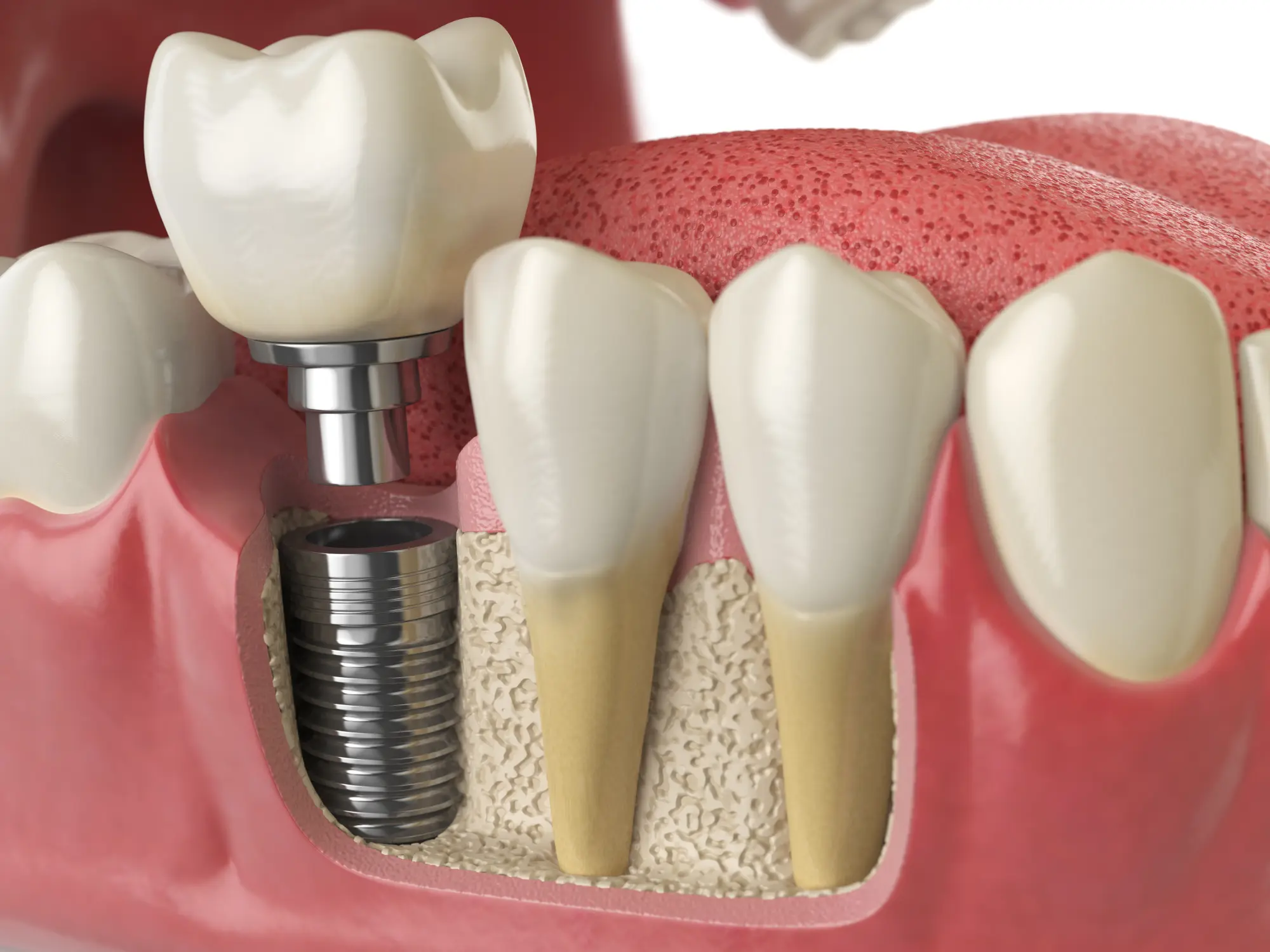
Dental Implants at iSmile Dentistry: A Permanent, High-Quality Reset for Your Smile
Explore more blogs
October 13, 2026
Dental Implants at iSmile Dentistry: A Permanent, High-Quality Reset for Your Smile
October 13, 2026
Dentistry for Everyone: High-Quality Dental Care That Fits Your Family Budget
October 13, 2026
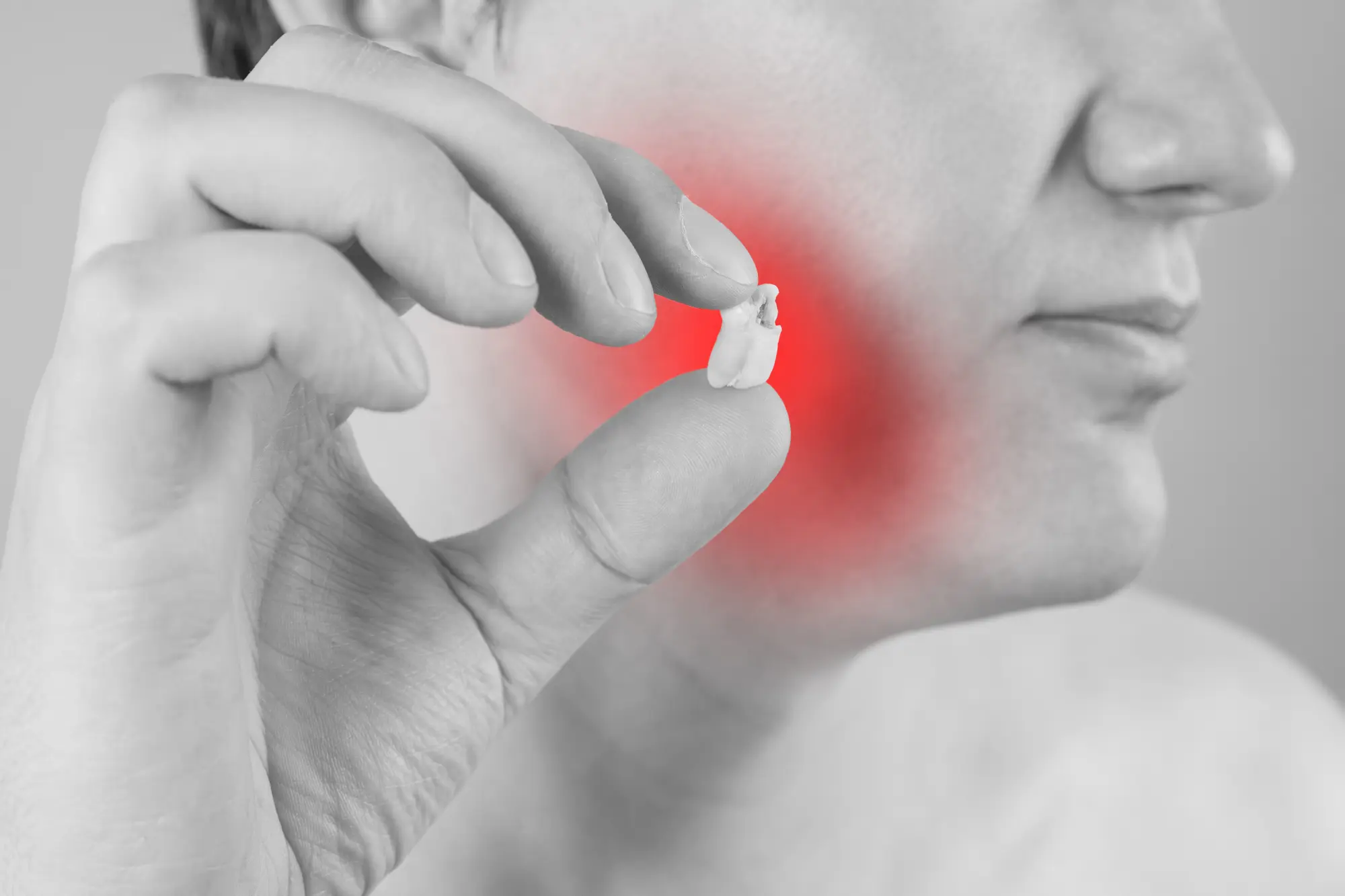
When Is Extraction Necessary? Saving the Tooth vs. Removal
October 13, 2026
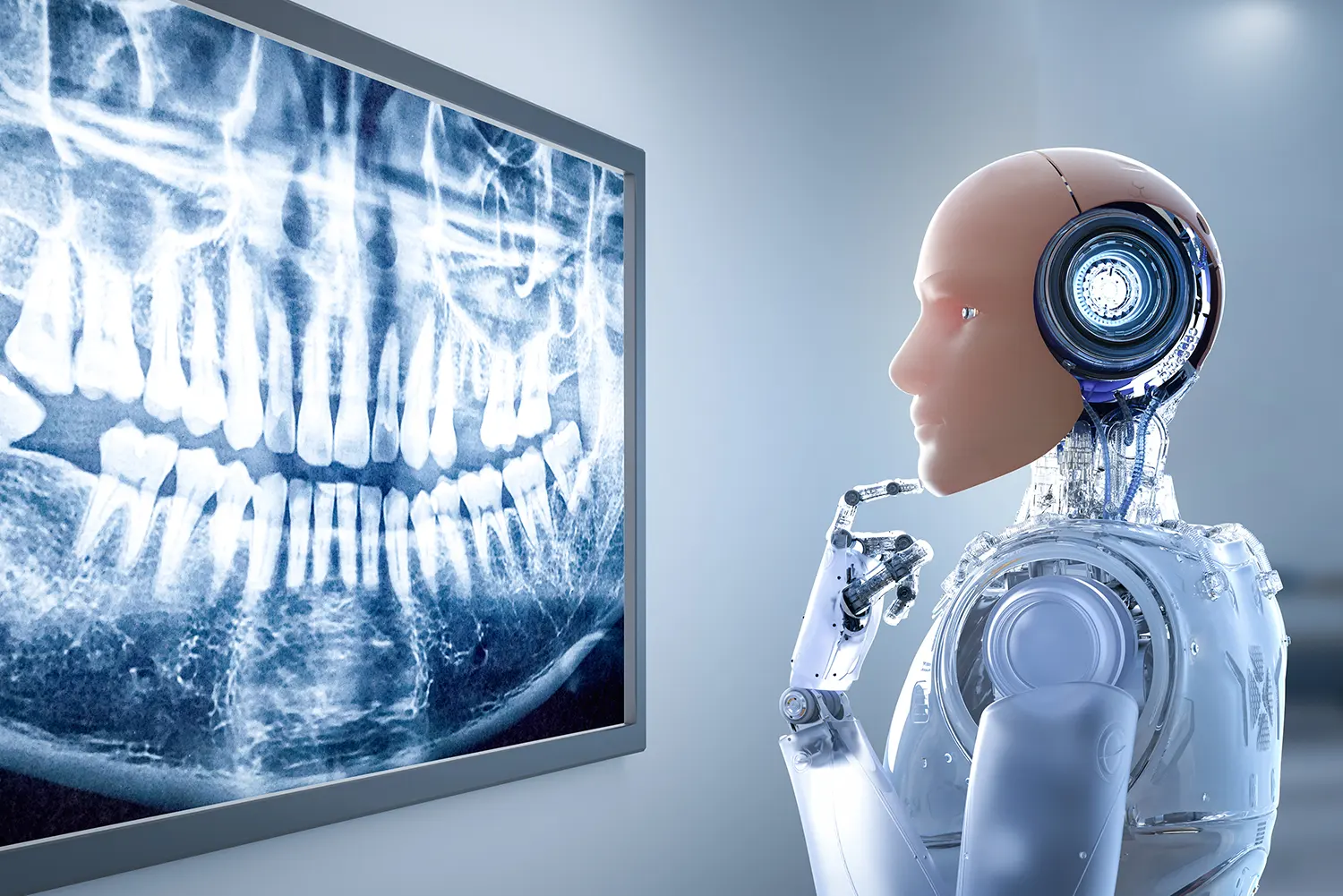
How AI Is Changing the First Dental Visit
June 3, 2026
Scaling & Root Planing: Why a “Deep Cleaning” is the Secret to Saving Your Smile
June 3, 2026
Sealants for Adults: Cavity Protection Beyond Childhood
June 3, 2026
In-Office Teeth Whitening in Tucson: What to Expect and How to Maintain a Brighter Smile
July 22, 2026
Fluoride Safety, Benefits, and How It Helps Prevent Cavities
.avif)