Adult Braces vs. Childhood Braces: What's Different When You're Older?

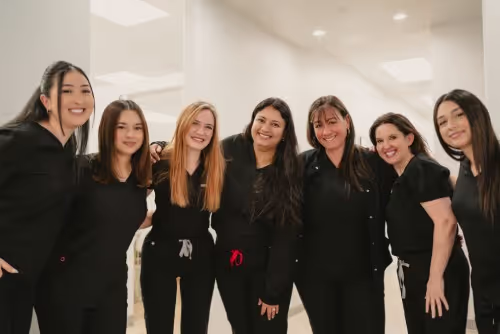
If you have ever caught yourself holding back a smile in a photo, or wondered whether it is too late to do something about crooked teeth, you are far from alone. Dr. Jason Barton, one of our doctors at iSmile Dentistry, has noticed that more adults are choosing orthodontic care in recent years, whether that means traditional braces or clear aligners.
The reason is easy to understand. People want to feel confident when they go out in public, attend events, show up at the workplace, spend time at home, and see friends. They want to smile freely and move through their daily activities feeling good about how they look. Many adults who come to see us are in the same spot: they want straighter teeth, but they are not sure whether they should, or whether they even can.
This post walks through what Dr. Barton wants adults to know. We will cover whether adults can get braces, the one real difference between adult and childhood braces, how to think about braces versus clear aligners, and what happens when you take the first step.
Why More Adults Are Straightening Their Teeth
Straightening teeth later in life is not driven by one single reason, but when Dr. Barton talks with adult patients, one thing comes up again and again. They want straighter teeth because it helps them feel more self-confident in their daily lives.
Think about what fills an ordinary week. You are out in public, at events, at work, at home, and with friends. In every one of those settings, how you feel about your smile can quietly shape how you carry yourself. Maybe you smile with your lips closed, or you step out of photos, or you simply wish you felt more at ease.
That is what brings many adults through our doors. It is rarely about chasing perfection. It is about being able to smile freely and approach your day without a second thought. We hear versions of this from our patients all the time, and we take it seriously, because confidence matters just as much as the mechanics of moving teeth.
Can Adults Really Get Braces?
The short answer is yes. A lot of adults assume braces are something you were supposed to do as a teenager, and that the window has closed. Dr. Barton sees it differently. In his experience, adults are great candidates for braces, and adult teeth can be moved successfully.
He has treated adults at many stages of life. His oldest adult patient was 88 years old. She had met a younger man and wanted straight teeth. Her story is a good reminder that there is no age at which you stop being allowed to care about your smile.
If you have been putting this off because you feel like the only adult considering it, consider this: the trend Dr. Barton sees is that more adults are doing exactly that. You are in good company, and our teams are used to these conversations.
Being a good candidate and having the right plan are two different things, though. Every mouth is different, and our doctors take the time to understand your situation before recommending an approach. Whatever your reason for wanting straighter teeth, it is a good enough reason to ask the question.
The Real Difference: Bone Remodeling
If adults can get braces, what is actually different from childhood braces? Dr. Barton points to one clear difference, and it has to do with bone.
Roughly between the ages of five and eighteen, we are still able to remodel the bone and the jaws. That matters because it helps with final tooth placement. When a younger patient gets braces during those years, we have an extra advantage working for us, simply because the bone is still responsive in that way.
Once you become an adult, we do not have as much of that advantage. But here is the important part: you can still straighten your teeth as an adult. The difference is about what we have to work with, not about whether treatment is possible.
If you are an adult who has wondered whether you missed your chance, here is the honest takeaway. Starting younger has an edge, and starting now is still a real option. There is no reason to let a missed window keep you from asking the question. It is also why our first job is to look at your individual situation and give you a clear picture of what to expect, rather than overpromise.
Braces or Clear Aligners?
One of the most common questions we hear from adults is whether they are a candidate for clear aligners or need traditional braces. The answer is that you have options, and the right one depends on you.
Sometimes braces are simply the better choice. The brackets can move teeth a little more precisely, which can matter depending on what your teeth need.
At other times, braces are not very convenient for the way a patient lives. In those situations, clear aligners are a strong alternative. They are less noticeable than braces, and patients often get a pretty similar result. For many adults, how visible treatment is matters a great deal, which is why aligners come up so often in these conversations.
So how do you choose? It comes down to what we feel will be best for you and what you want to do. Both sides count. A plan that looks perfect on paper but does not fit your life is not much help, and a plan that fits your life but does not suit your teeth will not give you the result you want. Our doctors talk through both with you so the decision is made together.
If you are not sure which way you lean, that is completely fine. You do not need to arrive with a decision.
Straighter Teeth Are About More Than Looks
Patients often ask whether they really need to straighten their teeth at all, whether they are an adolescent or an older adult. Dr. Barton answers with a comparison most people can picture right away.
Think about a car. If the tires are not aligned, they wear out faster than they should. Teeth work in a similar way. When your teeth are aligned, you have a better bite, and your teeth do not wear out as quickly.
That is a helpful way to think about orthodontics. A straighter smile looks better, and that matters. But alignment is also about how your teeth come together every time you bite and chew. The question is not only whether treatment will look good, but whether your teeth will work well together and wear more gently over time. It is one of the reasons we encourage adults to see orthodontics as an investment in how their teeth function, not only in how they look.
Missing Teeth and Crooked Teeth? We Plan for Both
Sometimes a patient comes in with more than one concern. They are missing teeth and want dental implants, and the teeth they still have are crooked. They want to smile and look good, not just fill a gap.
This is one of the things that sets our care apart. We are able to integrate two specialties, orthodontics and dental implants, into one customized plan. Instead of treating each concern in isolation, we look at the whole picture so you can end up with straight teeth and dental implants that look great and function great.
Putting everything into a single plan also means you are not guessing at how the pieces will fit together. Our doctors consider the full picture from the start. If that sounds like you, tell us about all of it: the missing teeth, the crooked teeth, and what you hope your smile will look like. The more we understand what you want, the better the plan we can build with you.
What to Expect at a Consultation
If you are curious but nervous, the first step is smaller than you might imagine. According to Dr. Barton, a consultation does not take very long, and it is not painful. We bring you in and find out what you want and what you are looking for.
From there, our team can talk through whether braces or clear aligners seem like the better fit and what a plan could look like for you. You leave knowing more about your options, and you decide what comes next.
It can help to come in with a few things in mind. Think about what you want to change and why, whether that is how your smile looks, how your teeth fit together, or both. Think about your lifestyle and how noticeable or convenient you want treatment to be. Mention any other concerns, including missing teeth. And write down your questions beforehand, so nothing slips your mind once you are in the chair.
There is no pressure to have everything figured out before you walk in. Not knowing is exactly why people come to see us. Our job is to help you make sense of your options.
Ready to Talk About Your Smile?
If you want a beautiful smile but feel a little embarrassed because some of your teeth are crooked, there is a lot that can be done, whether that means clear aligners or braces. Adults can absolutely have braces, and adult teeth can move well.
You do not have to figure it out alone. Call us to talk through your options, or learn more about our practice at ismiledentists.com. Our doctors would be glad to help you take the first step toward a smile you feel good about.
Share
Related Posts
Explore more blogs
October 13, 2026
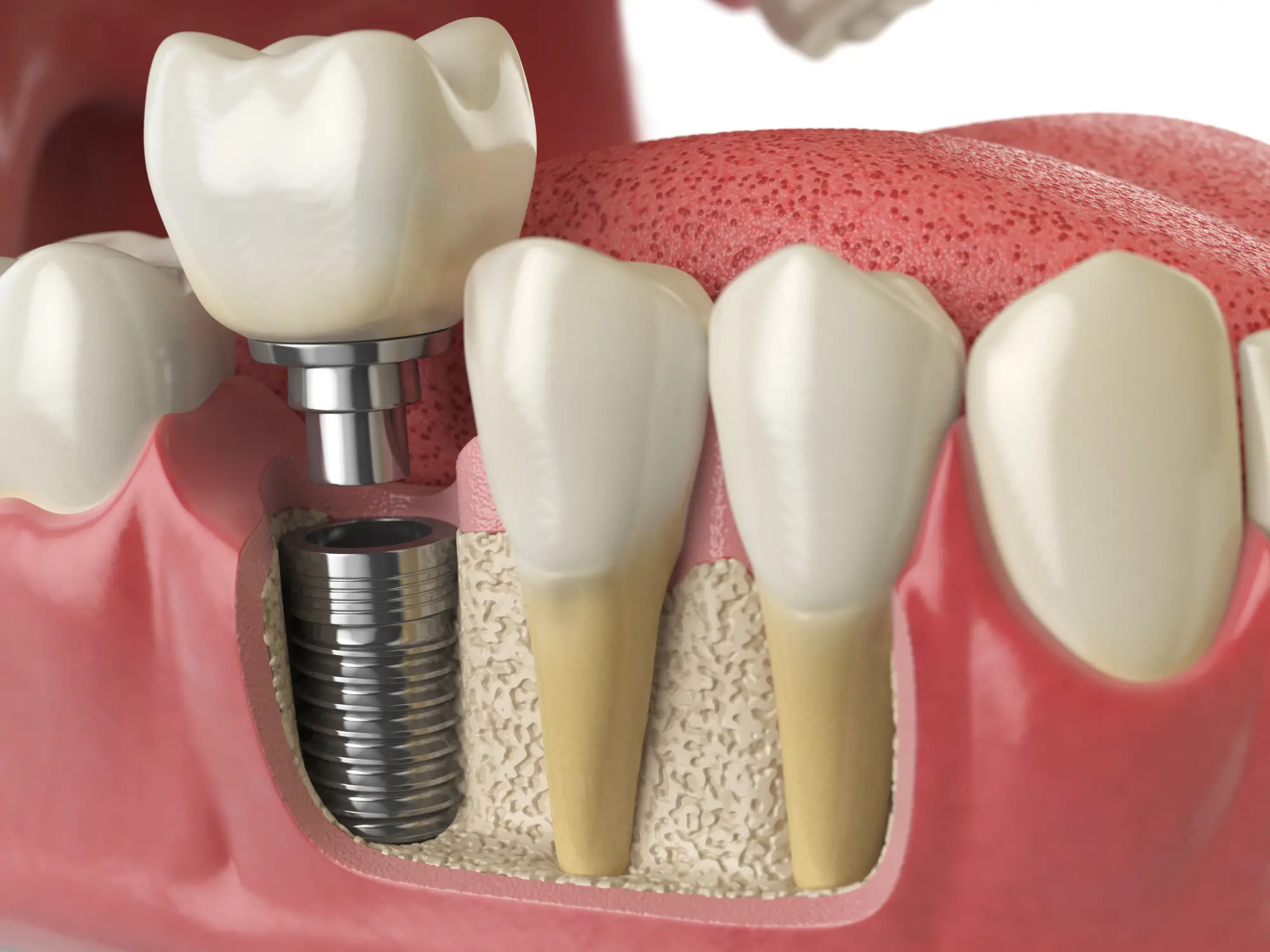
Dental Implants at iSmile Dentistry: A Permanent, High-Quality Reset for Your Smile
October 13, 2026
Dentistry for Everyone: High-Quality Dental Care That Fits Your Family Budget

October 13, 2026
When Is Extraction Necessary? Saving the Tooth vs. Removal
October 13, 2026
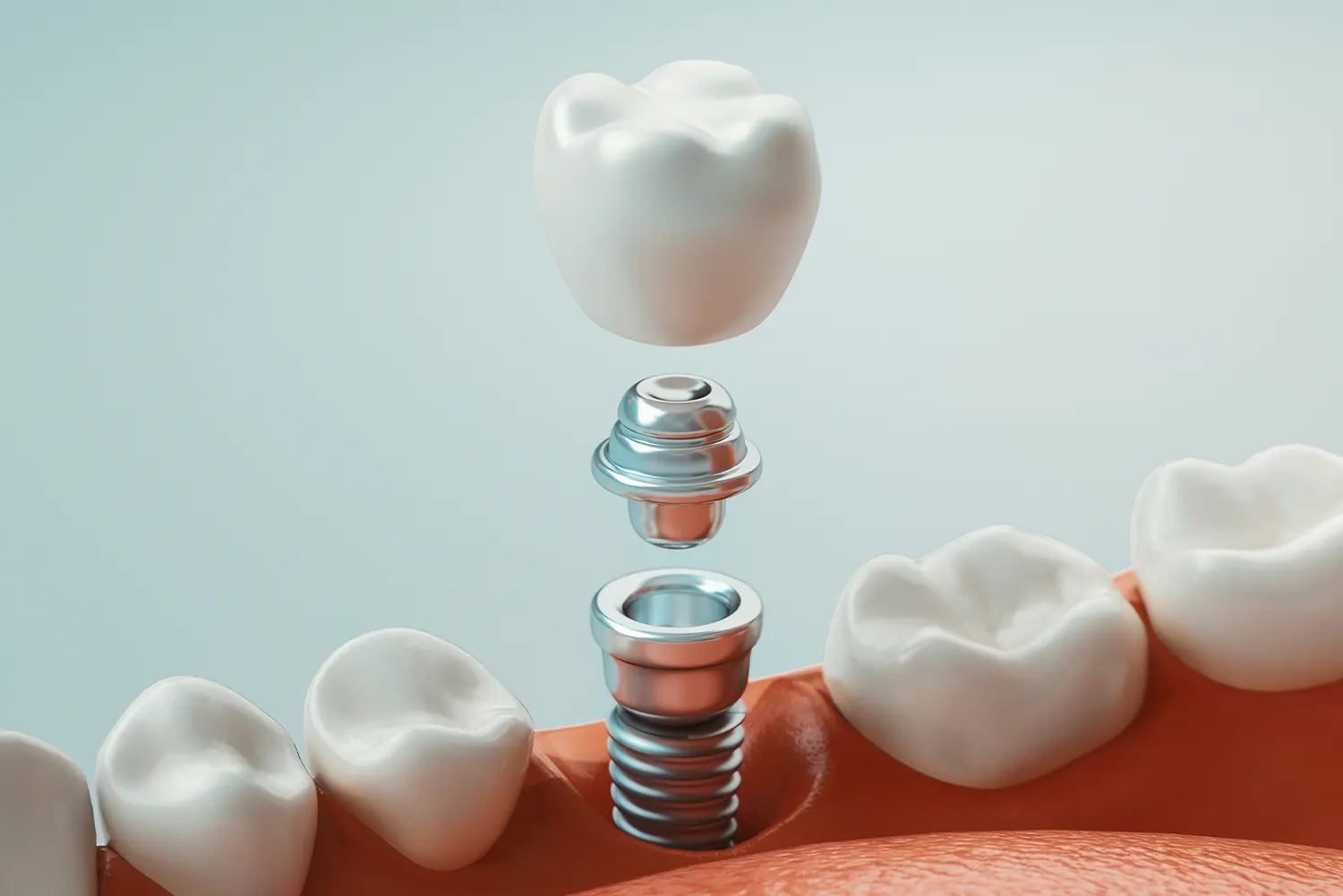
Single Implant vs. Bridge: The Best Choice for Missing Teeth
October 13, 2026
How AI Is Changing the First Dental Visit
June 3, 2026
Scaling & Root Planing: Why a “Deep Cleaning” is the Secret to Saving Your Smile
June 3, 2026
Sealants for Adults: Cavity Protection Beyond Childhood
June 3, 2026
In-Office Teeth Whitening in Tucson: What to Expect and How to Maintain a Brighter Smile
July 22, 2026
Fluoride Safety, Benefits, and How It Helps Prevent Cavities